
There’s a Simple Reason Gen Z Isn’t Drinking Wine
They Can’t Afford It, and the Industry Keeps Ignoring the Math
The wine industry has spent years searching for cultural explanations for why Gen Z and younger Millennials are drinking less wine. Wellness trends. Sober curiosity. Changing social habits. While all of those play a role, they obscure a much simpler and more uncomfortable truth.
Wine has become unaffordable for the very consumers the industry says it wants to attract.
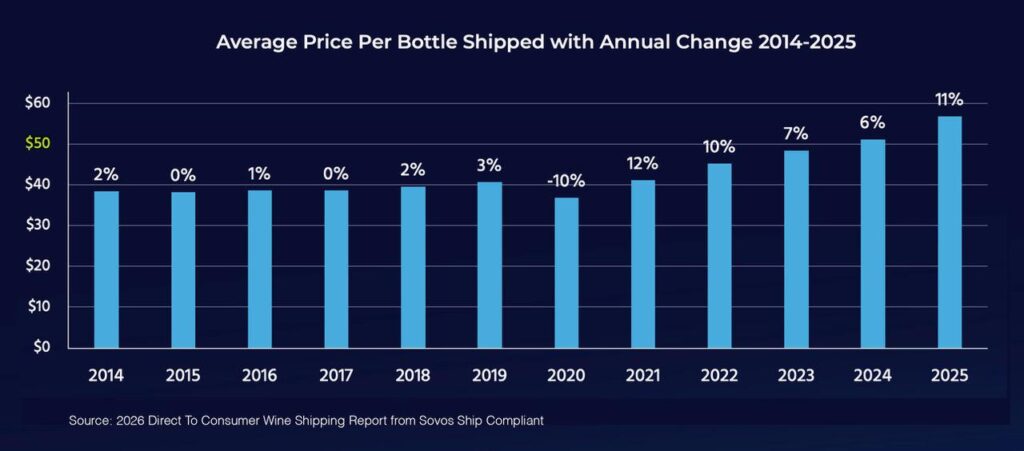
According to the 2026 Direct-to-Consumer Wine Shipping Report, the average price of a bottle of wine shipped DtC climbed 11% in 2025 to a record $56.78, even as total shipment volume fell 15% and value dropped 6%. The industry is selling fewer bottles at higher prices, and that combination is pushing younger consumers out of the category entirely.
That same $56.78 number was also highlighted in The Drinks Business, which underscored just how far wine pricing has drifted from everyday affordability.
Now put yourself in the shoes of a 26-year-old consumer.
A $56 bottle of wine is likely to last two, maybe three nights. Compare that with spirits. Tito’s Handmade Vodka, Grey Goose, Ketel One, Ciroc, Chopin and similar brands routinely retail between $25 and $50 for a 750 ml bottle. From that single bottle, you can make 15 or more cocktails. It stretches across weekends, gatherings and social occasions. The value equation is obvious.
It should not be surprising that Gen Z and Millennials are drinking less wine. Wine is asking them to pay more for less flexibility, fewer occasions and shorter lifespan per purchase.
The Data Confirms This Is Not “Premiumization”
The DtC data makes something else clear. This is not consumers trading up to more expensive wine. The report explicitly calls this a “mix shift,” not premiumization. Lower-priced wine buyers are disappearing from the channel altogether, not upgrading. The under-$15 category, once the volume backbone of DtC, has collapsed by more than 60% since 2020.
In other words, wine is not winning younger consumers over time. It is pricing them out.
Discounts Are Not the Answer
The industry’s reflex has been to push discounts harder. That strategy is counterproductive. Discounts teach consumers that the wine was overpriced to begin with. They erode brand equity and condition buyers to wait for deals rather than build loyalty.
If the category keeps leaning on price promotions while average prices continue to climb, it sends a mixed and damaging signal.
Three Out-of-the-Box Ideas the Industry Should Be Testing Now
1. Make Smaller Bottles Normal Again
Selling more 375 ml bottles is not a step backward, it is a discovery strategy. Smaller formats lower the risk of trial, invite experimentation and meet younger consumers where their budgets actually are. Spirits and ready-to-drink brands understand this well. Wine largely does not.
2. Extend the Life of the Bottle
Instead of offering another discount, offer value. A free Coravin with a first case purchase or as part of a wine club membership immediately changes how long a bottle lasts and how often it can be enjoyed. You are not lowering the price, you are increasing the utility.
3. Stop Guessing and Start Listening
The wine industry spends enormous energy telling consumers what they should care about. Very little effort is spent learning what they actually feel. Platforms like Oomiji enable brands to capture customer language, emotions, motivations and perceptions at scale, then segment and engage based on how people really think and talk about wine. Selling wine the way customers want it sold starts with understanding why they buy or do not buy in the first place.
Look Outside Wine for the Blueprint
Beauty and skincare brands have grown younger audiences by focusing on routine, identity, emotion and self-expression. They do not lead with technical specs. They lead with relevance. Wine marketers should be studying how those industries talk to young consumers, how they invite trial and how they build relationships over time.
The Bottom Line
Clearly, the answer is not in doing what the wine industry has been doing year after year. The data proves that strategy is not working. If wine wants to regain relevance with Gen Z and Millennials, it must confront affordability head-on, rethink formats, stop leaning on discounts and start listening more than it talks.
The future wine consumer is not rejecting wine. They are rejecting a value proposition that no longer works for them.